11/10/2026
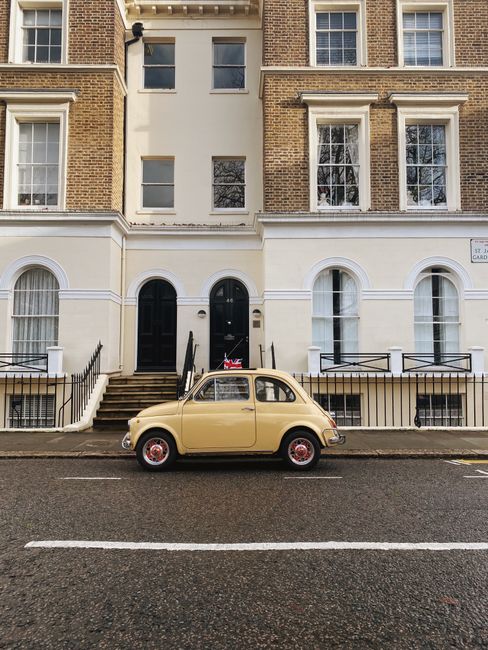
If you have ever compared waste removal prices and felt the numbers did not quite add up, you are...
Waste Disposal Bayswater is committed to providing an eco-friendly waste disposal area and a genuinely sustainable rubbish removal area for homes, landlords and businesses across Bayswater and the surrounding boroughs. Our focus is simple: maximise reuse and recycling, minimise landfill, and reduce the carbon footprint of every collection we carry out.
We have set a clear recycling and recovery target of achieving at least 90 percent diversion from landfill for all general mixed waste we handle. This means that for every van-load we collect, our aim is for 9 out of 10 items to be reused, recycled, or processed for energy rather than simply thrown away.
To reach this target, our team pre-sorts and separates waste at the collection stage wherever practical, and then again at local transfer stations where materials are broken down into clean streams such as timber, metals, cardboard, plastics and aggregates. We continually monitor our performance and work closely with our recycling partners to improve our recovery rates year on year.
Our eco-friendly waste disposal area is supported by a network of fully licensed local transfer stations serving Bayswater and neighbouring parts of Westminster and Kensington and Chelsea. These sites are designed to handle separated streams of waste safely and efficiently, ensuring that recyclable materials are identified and processed correctly.
Typical materials recovered at these transfer stations include paper and cardboard from office clearances, metals and wiring from household refurbishments, and hard plastics from bulky items. Construction and renovation projects benefit from dedicated bays for soil, rubble and concrete, helping to keep inert waste out of landfill and feed it back into local building and landscaping projects.
By routing collections to the closest suitable transfer station, we keep journey distances short and support the surrounding boroughs’ approach to waste separation and responsible resource management.
A key part of our sustainable rubbish removal area is making sure that items that can still be used do not become waste at all. We work with a range of local charities, community groups and reuse projects to give a second life to furniture, appliances and household items in good condition.
When we carry out a collection, our team will identify any items that appear suitable for donation, such as sofas, tables, wardrobes, books, toys, small electricals and white goods that pass basic safety checks. These items are separated from mixed waste and directed to our charity and reuse partners, who then redistribute them to families, community centres and social projects across West London.
This approach supports social value as well as environmental responsibility. By reusing items first and recycling them only when they are no longer serviceable, we cut down on demand for new products, reduce emissions associated with manufacturing, and lower the total volume of waste that needs processing.
Transport is one of the biggest contributors to the environmental impact of waste services. To support a cleaner, eco-friendly waste disposal area, our fleet strategy focuses on low-carbon vans and intelligent route planning.
We are progressively upgrading our vehicles to modern, fuel-efficient models with lower emissions, including the introduction of hybrid and low-emission vans on popular Bayswater routes. Regular maintenance and driver training ensure that vehicles are operated in the most efficient way possible, from tyre pressures to idling times.
We also use route optimisation software to group nearby bookings and reduce unnecessary mileage. This means fewer journeys, less congestion in local streets, and a smaller carbon footprint for every load of rubbish we collect.
Bayswater falls within boroughs that encourage residents and businesses to separate recycling at source, typically into dry mixed recycling, food waste and residual waste. Our services are designed to complement these systems rather than compete with them.
For customers, we can collect pre-sorted materials such as cardboard, glass, metal and green waste, keeping them in separate streams from mixed rubbish wherever possible. For larger clearances, we can advise on simple steps to separate recyclables before our team arrives, improving recycling rates and keeping costs down.
For offices, hospitality venues and landlords, we are familiar with local expectations on recycling and can align our collections with your existing internal bins and borough collection schedules, ensuring a smooth, compliant and sustainable approach to day-to-day waste management.
Alongside everyday household and commercial waste, our sustainable rubbish removal area includes a range of more specialised recycling activities. These can include responsible handling of WEEE such as computers and small electricals, metal recycling from refurbishments and clearances, and timber recycling from shop fits and office strip-outs.
Wherever possible, materials are separated into single types so transfer stations and specialist processors can recover the highest value from them. Metals may be smelted and reused in manufacturing, wood can be chipped for panel board or biomass, and some plastics may be turned into new products or components.
Environmental standards and local expectations continue to evolve, and so do our services. We regularly review the performance of our eco-friendly waste disposal area, track our progress toward our 90 percent recycling and recovery target, and look for new ways to reduce carbon emissions and support circular economy principles.
By choosing Waste Disposal Bayswater, you are supporting a waste management service that puts sustainability at the centre of everything it does, from the vehicles on the road to the final destination of every item we collect.

GET A FREE QUOTE
Affordable start-to-finish waste clearance!
Get cheap waste disposal Bayswater service with only one phone call today!
 Tipper Van - Rubbish Removal and Office Waste Disposal Prices in Bayswatr, W2
| Space іn the van | Loadіng Time | Cubіc Yardѕ | Max Weight | Equivalent to: | Prіce* |
| Minimum Load | 10 min | 1.5 | 100-150 kg | 8 bin bags | £90 |
| 1/4 Load | 20 min | 3.5 | 200-250 kg | 20 bin bags | £160 |
| 1/2 Load | 40 min | 7 | 500-600kg | 40 bin bags | £250 |
| 3/4 Load | 50 min | 10 | 700-800 kg | 60 bin bags | £330 |
| Full Load | 60 min | 14 | 900-1100kg | 80 bin bags | £490 |
*Our rubbish removal prіces are baѕed on the VOLUME and the WEІGHT of the waste for collection.
 Luton Van - Rubbish Removal and Office Waste Disposal Prices in Bayswatr, W2
| Space іn the van | Loadіng Time | Cubіc Yardѕ | Max Weight | Equivalent to: | Prіce* |
| Minimum Load | 10 min | 1.5 | 100-150 kg | 8 bin bags | £90 |
| 1/4 Load | 40 min | 7 | 400-500 kg | 40 bin bags | £250 |
| 1/2 Load | 60 min | 12 | 900-1000kg | 80 bin bags | £370 |
| 3/4 Load | 90 min | 18 | 1400-1500 kg | 100 bin bags | £550 |
| Full Load | 120 min | 24 | 1800 - 2000kg | 120 bin bags | £670 |
*Our rubbish removal prіces are baѕed on the VOLUME and the WEІGHT of the waste for collection.
If you have ever compared waste removal prices and felt the numbers did not quite add up, you are...
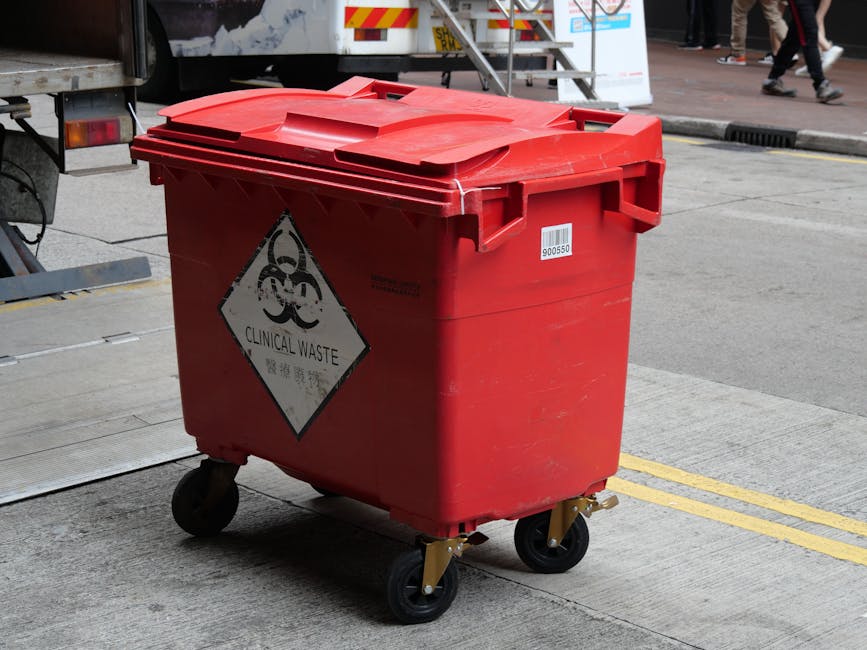
If you live in a flat near Porchester Road in Bayswater, waste can become a surprisingly regular...
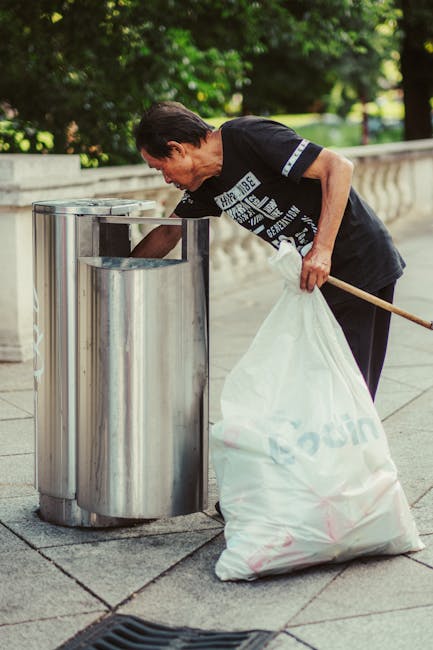
If you need Same day rubbish collection Bayswater W2 Bayswater station, you are probably dealing...
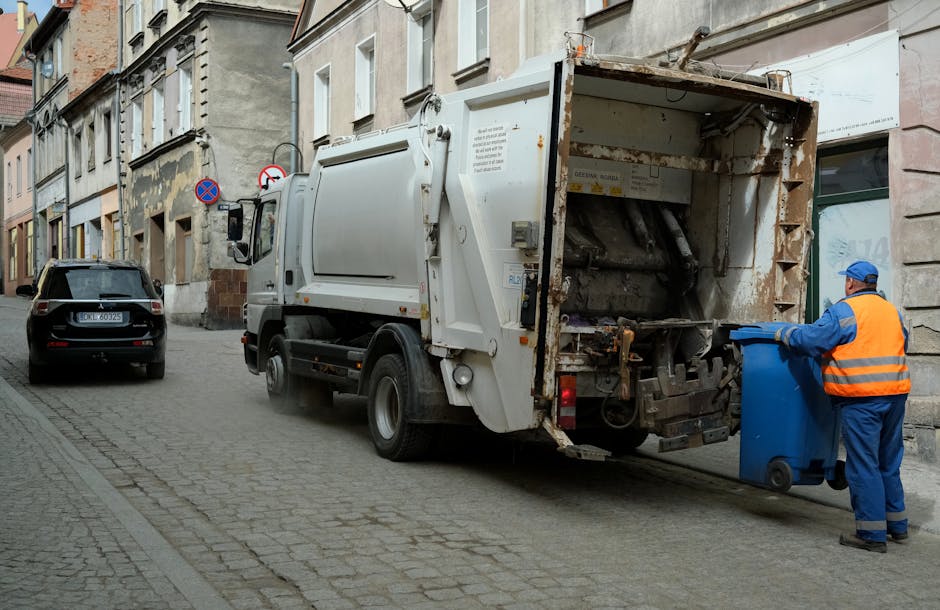
If you are trying to sort rubbish removal Bayswater Queensway Lancaster Gate, you are probably...
When it comes to hosting memorable celebrations, Bayswater offers a diverse range of venues that...
Bayswater is a stunning, leafy suburb located just a short distance from the heart of London.
Bayswater is a suburb located in the eastern part of Perth, Western Australia.
Investing in property in Bayswater, London, is a strategic move that many savvy investors are...

 (83)
(83)