Waste disposal Porchester Road Bayswater flats guide
Posted on 10/08/2026
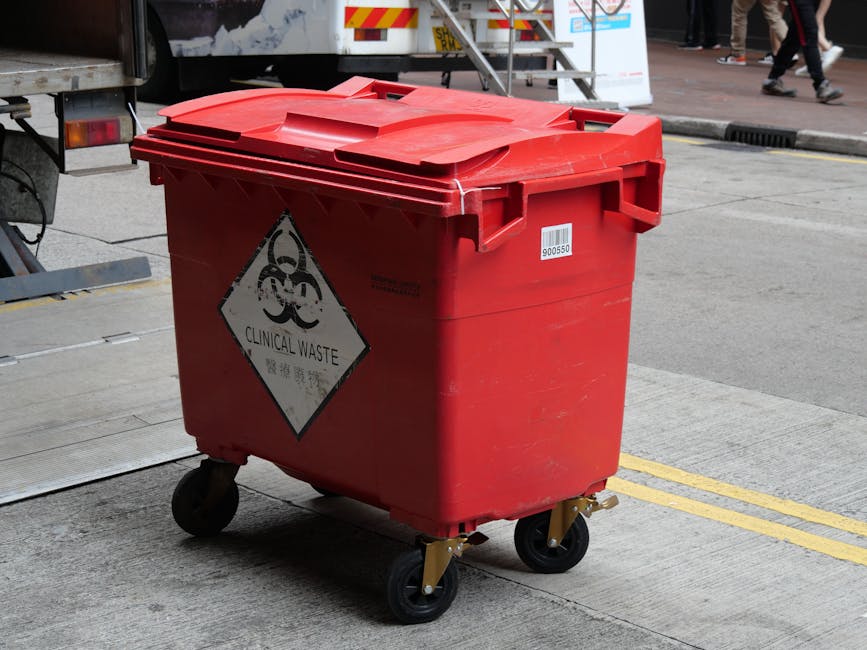
If you live in a flat near Porchester Road in Bayswater, waste can become a surprisingly regular headache. Narrow stairwells, limited storage, shared bin areas, and the usual London rush all make even a simple clearance feel more awkward than it should. This Waste disposal Porchester Road Bayswater flats guide is here to make the whole thing easier: what to do, how it works, where people usually go wrong, and how to keep things tidy, compliant, and low-stress.
Whether you are clearing a single bulky item, dealing with end-of-tenancy rubbish, or sorting a fuller flat clearance after a move, the right approach saves time and avoids awkward surprises. And let's face it, nobody wants to be the person leaving a sofa in a hallway because "it'll be gone later".
Below, you'll find a practical local guide with clear steps, sensible checks, and a few real-world tips from the kind of situations people run into in Bayswater flats all the time.
Why Waste disposal Porchester Road Bayswater flats guide Matters
Flat living on or near Porchester Road tends to come with the usual London mix: compact homes, shared access, and limited room for storing unwanted items. That makes waste disposal less about "throw it out later" and more about planning properly. If you are in a managed block, there may be rules for bin rooms, collection points, lift use, and timing. If you are in a smaller conversion flat, access can be tight and bulky waste can quickly become a nuisance.
The reason this matters is simple. Poor waste handling creates noise, clutter, complaints from neighbours, blocked corridors, and sometimes contamination of recycling areas. In a flat, one careless move can affect everyone on the floor. A cleaner, more organised disposal plan keeps the building pleasant and helps avoid those slightly tense chats in the hallway.
There is also the practical side. A well-planned collection is usually faster, less disruptive, and easier to price accurately. If you know what is being removed, where it is located, and how accessible it is, you can make better decisions and avoid paying for unnecessary extra time. For many residents, that is the difference between a smooth morning and a whole day disrupted by the sound of furniture scraping down stairs.
For broader context on how local living and property use shape day-to-day decisions in Bayswater, it can also help to read what residents say about Bayswater as a home and the practical notes in this Bayswater area guide.
How Waste disposal Porchester Road Bayswater flats guide Works
In a flat setting, waste disposal usually falls into one of three patterns: routine household rubbish, bulky item removal, or a wider clearance. The right method depends on volume, type of waste, and how quickly it needs to go. A single bag of mixed household waste is very different from a broken wardrobe, an old mattress, or a full post-renovation pile of packaging and offcuts.
Typically, the process starts with identifying what you have and how it needs to be handled. Some materials can go into normal domestic waste streams. Others need separate treatment, especially if they are reusable, recyclable, electrical, or potentially hazardous. In flats, this matters because bin stores often fill up quickly and communal spaces are not the place to improvise.
For larger or awkward items, access is often the deciding factor. Can the item fit through the doorway? Does it need two people? Will it damage walls, lift doors, or flooring if moved without care? These are the details that make a real difference. A waste job in a Porchester Road flat is rarely just about disposal; it is about safe handling in a confined space.
If you want a broader view of the service range available, the services overview is useful background. For more general day-to-day collection needs, many residents also look at domestic waste collection in Bayswater or rubbish collection in Bayswater depending on the size and urgency of the job.
In practice, a flat disposal visit often looks like this:
- You explain what needs removing and where it is located.
- The crew checks access, parking, and whether any items need dismantling.
- The waste is removed carefully from the flat and communal areas.
- Reusable or recyclable items are separated where possible.
- The remaining waste is taken away for responsible processing.
That sounds straightforward. Usually it is. The part that trips people up is underestimating how much there is, or forgetting that a flat has more access constraints than a house.
Key Benefits and Practical Advantages
Getting waste disposal right in a Bayswater flat offers more than a tidy floor. It improves day-to-day living, reduces friction in shared buildings, and helps you act quickly when space gets tight. A small flat can feel twice as large once one old bed frame and a broken chest of drawers are gone. Honestly, that extra bit of room changes the feel of the place.
The main benefits are:
- Less clutter in limited living space.
- Safer access for residents, visitors, and building staff.
- Lower neighbour disruption when items are removed in one organised visit.
- Better recycling outcomes when items are sorted properly.
- Cleaner end-of-tenancy handovers for landlords and tenants.
- Reduced risk of damage to common areas and interior finishes.
There is also the time-saving angle. In flat blocks, a piecemeal approach often means repeated trips, repeated lift use, and repeated mess. One structured clearance is generally calmer. It also feels less like a chore you keep postponing. You know the type: the chair in the corner that somehow becomes "temporary" for three months.
For property owners and landlords, this can be especially valuable. If a flat is being prepared for a new tenancy, clean waste removal can support a faster turnaround and a better first impression. Bayswater remains an active local market, so keeping a flat in good order is not just nice housekeeping; it is part of protecting the asset. Related reading includes top tips for Bayswater property investment and Bayswater real estate sales for a wider property angle.
Who This Is For and When It Makes Sense
This guide is for anyone dealing with waste in a flat on or near Porchester Road, but the common use cases are pretty clear. Tenants moving out, landlords resetting a property, homeowners clearing storage, and managing agents coordinating a building-wide tidy-up all benefit from a more deliberate approach.
You may need a professional disposal plan if you are:
- moving out and cannot fit everything into normal bins
- replacing furniture or appliances
- clearing a loft, cupboard, or storage room in a converted flat
- preparing a flat for sale or letting
- sorting post-refurbishment debris
- dealing with items left behind by previous occupants
- trying to keep a shared bin area under control
It also makes sense if you simply do not have the time, transport, or physical help to move bulky waste safely. To be fair, many people underestimate just how awkward a mattress or fridge is once you reach the stairs. That's when "I'll manage it myself" starts sounding a bit optimistic.
For commercial or mixed-use buildings nearby, the needs can shift. Office clearances, shop storage waste, and landlord-managed communal waste all come with slightly different concerns. If that sounds familiar, commercial waste removal in Bayswater and office clearance may be more relevant than domestic collection alone.
Step-by-Step Guidance
If you want a smooth result, the easiest approach is to work through the job in a logical order. Not glamorous, perhaps, but it saves a lot of hassle.
1. Identify exactly what needs to go
Start with a room-by-room review. Make a quick list of furniture, bagged rubbish, appliances, and anything that might need special handling. In a flat, items can hide in cupboards, under beds, or on balconies. And yes, that old lamp you forgot about counts too.
2. Separate normal waste from bulky waste
Small household rubbish, packaging, and general clutter should be grouped separately from larger items. This helps estimate the job more accurately and makes collection easier. If there are electrical items, broken white goods, or reusable furniture, keep them apart where possible.
3. Check access before collection day
Measure doorways if you need to. Think about lift size, staircase width, and whether the item will need to be dismantled. In older Bayswater buildings, access is often the real bottleneck, not the item itself.
4. Make sure common areas stay clear
Shared hallways and bin stores should not become temporary dumping zones. Keep the route from the flat to the exit as clear as possible. If the building has a concierge or managing agent, let them know what is happening. A quick heads-up often prevents confusion later.
5. Choose the right disposal method
For a few bags of rubbish, a simple collection may be enough. For furniture, appliances, or a fuller flat clearance, you may need a dedicated team. If the job includes multiple item types, it is often more efficient to bundle it into one visit rather than splitting it over several days.
6. Ask about sorting and recycling
Responsible disposal is not just about taking everything away. It is also about what happens next. Reusable items may be separated, recyclable materials processed, and the remainder handled appropriately. If sustainability matters to you, that is worth asking about up front. The recycling and sustainability page is a helpful place to understand the wider approach.
7. Keep documentation if the waste is larger or more sensitive
For landlord records, building management, or commercial work, keep a note of what was removed, when, and by whom. It sounds dull. It is useful though, especially if a question comes up later.
Expert Tips for Better Results
After handling enough flat clearances, a few patterns become obvious. The jobs that go well are the ones with a little preparation. Not lots. Just enough.
- Photograph the waste in advance. This helps with pricing, timing, and loading estimates.
- Group similar items together. Books, textiles, cardboard, furniture, and appliances are easier to deal with when sorted.
- Use labels for keep, donate, and remove. This is especially handy in shared flats or moves with multiple people involved.
- Clear a staging area. A small open space near the entrance can make collection quicker and safer.
- Be realistic about access. If a bulky item needs dismantling, say so early. It saves everyone time.
- Plan around building routines. School-run hours, concierge shifts, and evening quiet periods can all affect the best slot.
One small but useful habit: keep a bin bag for "surprise clutter". You know, the cables, packaging, extra hangers, and random bits that appear when you start clearing properly. Those little items add up fast. By the end, you'll be glad you didn't ignore them.
If you are deciding between different disposal routes, the service-specific pages can help you match the job to the right method, such as furniture removal, appliance disposal, or house clearance where the volume is higher.
Common Mistakes to Avoid
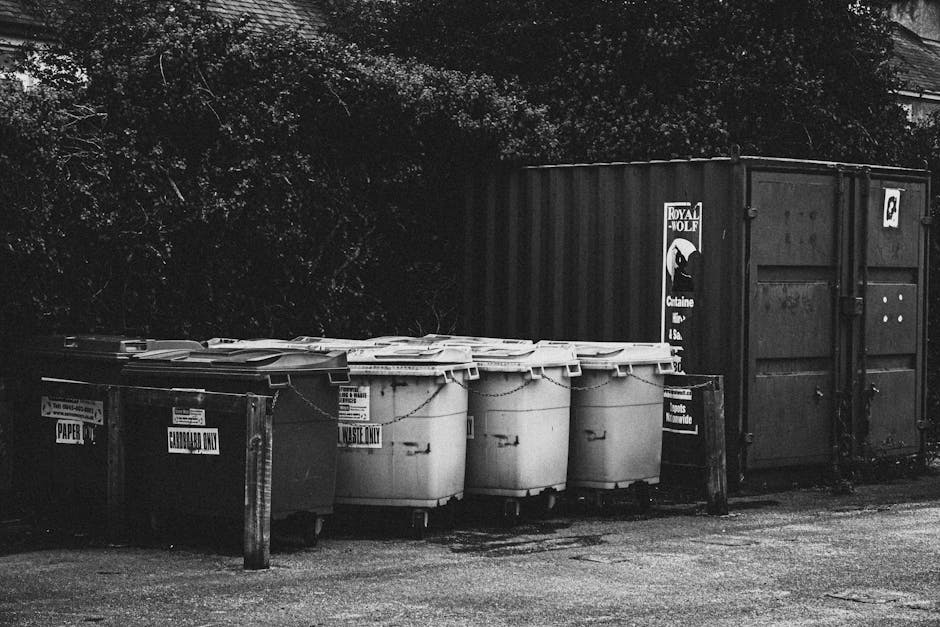
Most problems in flat waste disposal are not dramatic. They are just annoying, and annoying is enough. A few of the most common mistakes are easy to avoid once you know what to watch for.
- Leaving bags in hallways while waiting for "a better time".
- Underestimating the volume and booking too small a collection.
- Forgetting about access restrictions like lifts, parking, or building rules.
- Mixing recyclables with general waste and making sorting harder later.
- Trying to move heavy items alone and risking damage or injury.
- Assuming everything can go in the communal bin area because it looks empty at that moment.
- Not checking whether items need dismantling before collection day.
A classic one is the "it'll fit" mistake. Furniture looks smaller in the living room than it does in a staircase. Strange how that works. If an item is near the limit, assume it is not a straightforward carry until proven otherwise.
Another issue is timing. If you wait until the end of a tenancy or the day before a delivery, the pressure climbs quickly. A little advance planning removes a lot of that stress. And frankly, your future self will thank you.
Tools, Resources and Recommendations
You do not need a huge toolkit for a flat clearance, but a few basics can make the job less messy and more controlled.
| Item | Why it helps | Best for |
|---|---|---|
| Strong refuse sacks | Keeps loose waste contained | General rubbish, mixed household items |
| Marker labels | Helps sort keep/remove items | Moves, decluttering, room-by-room clearouts |
| Measuring tape | Checks whether bulky items will fit | Furniture and appliance removal |
| Basic screwdriver or tool kit | Allows safe dismantling where needed | Beds, shelving, flat-pack furniture |
| Gloves | Protects hands from sharp edges and grime | All clearance work |
| Camera phone | Useful for documenting waste and access | Quotes, landlord records, planning |
For residents who want a simple way forward, a service that covers multiple waste types can be more efficient than piecing together separate collections. Depending on the job, waste clearance in Bayswater can be a practical all-round option, while furniture disposal and loft clearance suit more focused jobs.
If you are a landlord or managing agent, keep a standard checklist for post-tenant clearances. If you live in the flat, keep a smaller version on your phone. Nothing fancy. Just enough to avoid the "where did I put the old shelf screws?" situation at 7:45 in the morning.
Law, Compliance, Standards, or Best Practice
When waste leaves a flat, it does not stop being your responsibility in a practical sense. The basics are simple: waste should be stored safely, removed responsibly, and passed to a legitimate carrier or disposal route. In the UK, that is a normal expectation for both householders and businesses.
For flats, the best practice is to avoid fly-tipping by accident. That can happen when items are left in communal areas, placed beside bins without arrangement, or handed to someone who is not properly set up to remove them. If you are using a third-party service, it is sensible to check that they understand compliance and safety requirements. The page on waste carrier licence and compliance gives a useful overview of this kind of responsibility.
Good practice also means making sure waste is handled without endangering residents or damaging the building. That includes protecting walls, lifts, flooring, and stairwells; keeping escape routes clear; and avoiding blocked bin rooms. If a job involves heavier items, the service should be organised in a way that reduces risk to staff and occupants. The insurance and safety information is worth reviewing for peace of mind.
There are also quieter standards of behaviour that matter in flat buildings. Don't overload shared bins. Don't leave sharp objects exposed. Don't assume the cleaner or porter will sort your mess out. That's not how a decent building works, and it's a quick way to annoy everyone in sight.
For customers handling bookings or online payments, it can help to read the site's payment and security and terms and conditions pages so expectations are clear before the job begins.
Options, Methods, or Comparison Table
Different flat disposal situations call for different approaches. The right choice depends on speed, access, volume, and the type of waste involved.
| Method | Best for | Advantages | Limitations |
|---|---|---|---|
| Standard bin disposal | Small day-to-day rubbish | Simple, routine, low effort | Not suitable for bulky or excess items |
| Self-transport to a facility | People with a vehicle and time | Flexible and direct | Hard work, parking, loading, and time-consuming |
| Bulky item collection | Single large items like beds or wardrobes | Quick and convenient | Still needs access planning |
| Full flat clearance | Moves, probate-style clearances, major decluttering | Most comprehensive and efficient | More planning and likely a larger job |
| Targeted service by waste type | Furniture, appliances, garden items, builders waste | More precise and often cleaner logistically | May need several service types if mixed waste is involved |
If you are dealing with renovation debris, choose carefully. Mixed builder's waste is not the same as ordinary household rubbish. For that kind of job, builders waste disposal in Bayswater is usually the more suitable route. If you are handling ongoing output from a business property, commercial waste removal may fit better.

Case Study or Real-World Example
Picture a one-bedroom flat near Porchester Road at the end of a tenancy. The tenant has one broken bed frame, a mattress, three bags of general rubbish, a small table, and an old microwave. Nothing extreme, but enough to be awkward in a building with a narrow stairwell and limited waiting space outside.
The first step is a quick assessment. The mattress and bed frame are the bulky items; the bags and microwave are straightforward, though the microwave should be treated as electrical waste rather than just tossed into a mixed pile. The tenant moves the bags to a clear corner near the entrance, checks with the building manager about collection timing, and confirms there is enough room to bring the items down without blocking neighbours.
On collection day, the team removes the items in one visit, handles the heavier pieces carefully, and avoids dragging anything across the hallway floor. The flat is left empty enough for a final clean, the landlord gets the handover without delay, and the whole thing is done before lunch. Nice and tidy. No drama. Which, in flat clearance terms, is a pretty good outcome.
If the job had been left until the last evening, the story would probably be different. More pressure, more noise, and a lot more rushing around. That is usually when people discover the lift is too small, the mattress is too awkward, and the weather has decided to drizzle just enough to make the pavement unpleasant.
Practical Checklist
Use this checklist before arranging disposal for a flat on Porchester Road or nearby in Bayswater:
- List every item that needs removing.
- Separate general waste, bulky items, electricals, and anything reusable.
- Measure larger items against doors and stairwells.
- Check building rules, bin room access, and any collection restrictions.
- Decide whether the job is a simple collection or a fuller clearance.
- Clear a route from the flat to the exit.
- Take photos for reference if the job is large or mixed.
- Confirm timing so you do not clash with quiet hours or concierge routines.
- Ask how recyclable or reusable items will be handled.
- Keep a record if you are a landlord, agent, or business owner.
Quick reminder: if the job feels borderline between "manageable" and "why are we doing this ourselves?", that is usually the moment to step back and choose the easier route.
Conclusion
Flat waste disposal in Bayswater is rarely complicated in theory, but in practice it needs a bit of local common sense. Space is tight, access can be fiddly, and shared buildings come with their own rhythm. Once you understand the process, though, it becomes much more manageable.
The main idea is simple: identify the waste, match it to the right collection method, prepare the access, and make sure everything is handled responsibly. That approach saves time, keeps the building calmer, and helps protect your flat from avoidable mess or damage.
If you are planning a clear-out near Porchester Road, a little preparation will go a long way. And if there is one thing people always appreciate after a stressful flat clearance, it is walking back into a room that finally feels open again. That small moment of relief matters more than it sounds.
Get a free quote today and see how much you can save.
Sometimes the best move is simply to make the job smaller, safer, and done properly. That is usually enough.

 Tipper Van - Rubbish Removal and Office Waste Disposal Prices in Bayswatr, W2
 Luton Van - Rubbish Removal and Office Waste Disposal Prices in Bayswatr, W2